-1.png?width=56&name=Icon%20Left%20(11)-1.png)
-1.png?width=56&name=Icon%20Left%20(1)-1.png)
-1.png?width=56&name=Icon%20Left%20(2)-1.png)
-1.png?width=56&name=Icon%20Left%20(3)-1.png)
.png?width=56&name=Icon%20Left%20(6).png)
-1.png?width=56&name=Icon%20Left%20(5)-1.png)
-1.png?width=56&name=Icon%20Left%20(6)-1.png)
-1.png?width=56&name=Icon%20Left%20(7)-1.png)
-1.png?width=56&name=Icon%20Left%20(8)-1.png)
-1.png?width=56&name=Icon%20Left%20(9)-1.png)
.png?width=56&name=Icon%20Left%20(12).png)
.png?width=56&name=Icon%20Left%20(13).png)


Bakery & Desserts
From first bite to final crumb.
%20(1).png?width=300&name=MFS_Geneva_Flavor%20Lab_Carlos%20Pulido%20(1)%20(1).png)
Flavor is at the heart of every food and beverage experience. As a product developer, it’s important to understand the complexities of flavor — what flavor is, how consumers perceive it and what factors contribute to the flavor experience to create a successful product.
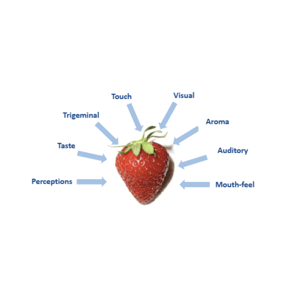
Flavor isn’t just what you taste on your tongue. It’s a multisensory experience involving inputs like smell, taste, and mouthfeel. Flavor is a full experience that activates the brain, referencing memories and creating unique experiences for consumers.
At its most basic level, flavors are made up of chemicals. This could be simple things like water and alcohol, but also things like vanillin from vanilla or citrus acid which comes from fruit.

.png?width=300&name=Top%20Left%20(1).png)
Many people may not realize it, but flavor is complex. Strawberry is more nuanced that just a word. Explore some of the different meanings of ways we describe flavor here at McCormick Flavor Solutions.
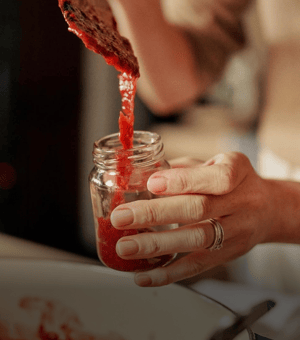
Description can go here to add some more detail to what this descriptor means.
.png?width=300&name=Bottom%20Left%20(1).png)
Description can go here to add some more detail to what this descriptor means.
.png?width=300&name=Bottom%20Left%20(2).png)
Description can go here to add some more detail to what this descriptor means.
.png?width=300&name=Bottom%20Left%20(3).png)
Description can go here to add some more detail to what this descriptor means.
-1.png?width=84&name=Icon%20Left%20(11)-1.png)
-1.png?width=84&name=Icon%20Left%20(1)-1.png)
-1.png?width=84&name=Icon%20Left%20(2)-1.png)
-1.png?width=84&name=Icon%20Left%20(3)-1.png)
.png?width=84&name=Icon%20Left%20(6).png)
-1.png?width=84&name=Icon%20Left%20(5)-1.png)
-1.png?width=84&name=Icon%20Left%20(6)-1.png)
-1.png?width=84&name=Icon%20Left%20(7)-1.png)
-1.png?width=84&name=Icon%20Left%20(8)-1.png)
-1.png?width=84&name=Icon%20Left%20(9)-1.png)
.png?width=84&name=Icon%20Left%20(12).png)
.png?width=84&name=Icon%20Left%20(13).png)
.jpg?width=300&name=MFS_Geneva_Collaborative_Flavorist%20tasting%20beverage_lab%20(26).jpg)